I've welcomed visitors from all over the world, and one thing I've noticed repeatedly is how often people underestimate what Kosovo has to offer. Many arrive with an itinerary that gives each city a single day, expecting to see the main attractions and move on. Then they start discovering places they hadn't heard about, meeting people who recommend somewhere worth visiting, or finding out about a cultural event or local experience they didn't know existed.
Kosovo is a small country, and you can see quite a lot in a few days. But seeing a place and experiencing it are two different things.
Beyond the historic centres of Prishtina and Prizren, you'll find mountain villages, traditional towns, outdoor activities, cultural festivals, sporting events and a social life that often becomes one of the most memorable parts of a visit. Much of this is still underrepresented in international travel guides and online information.
In this guide, I'll help you understand how to plan your visit, how much time to allow, where to go, how to get around and what to consider before arriving. More importantly, I'll share how I would approach planning a trip based on the kind of experience you're actually looking for.
You don't need to visit every destination or follow a perfect itinerary. The idea is to make the most of the time you have while leaving enough room for the unexpected.
1. Where Is Kosovo and Why Should You Visit?
Kosovo is a landlocked country in southeastern Europe, in the heart of the Balkans. It shares borders with Albania, Montenegro, Serbia and North Macedonia.
Although relatively small, Kosovo offers quite a variety of experiences within a manageable travel distance. You can spend the morning exploring an Ottoman-era bazaar, have lunch in a traditional restaurant, and find yourself surrounded by mountain scenery later in the day.
But what makes Kosovo interesting isn't just the number of places you can visit.
It's the combination of different cultures, historical influences, landscapes and everyday experiences that you encounter along the way.
Here are some of the things that make a visit worthwhile:
- Cities and architecture: Explore Prishtina's contemporary character, Prizren's historic centre and Gjakova's traditional Grand Bazaar.
- History and heritage: Discover Ottoman architecture, medieval religious monuments and places connected to Kosovo's more recent history.
- Nature and outdoor experiences: Explore the Rugova Valley, the Sharr Mountains, mountain villages and hiking destinations.
- Food and local traditions: Try traditional dishes, visit local markets and discover the importance of food and hospitality in everyday life.
- Culture and events: Depending on when you visit, you might find yourself attending a film festival, concert, cultural celebration or sporting event.
- People and hospitality: Conversations, spontaneous recommendations and invitations from locals can become some of the most memorable parts of your trip.
Kosovo is also a good addition to a wider Balkan journey, particularly if you're travelling through Albania, Montenegro or North Macedonia.
One thing worth understanding before you arrive is that Kosovo is not as extensively covered by international tourism websites as many neighbouring destinations. This means you might discover more possibilities through local recommendations and conversations than through online research alone.
2. How Many Days Do You Need to Visit Kosovo?
This is one of the first questions I usually discuss with visitors, and my general recommendation is to allow at least 3–5 days for a first visit.
That gives you a reasonable amount of time to discover the main destinations without spending the entire trip moving between them.
However, the ideal length depends on what you want to experience.
You can explore the main attractions of some Kosovo cities in a relatively short time. Prizren's historic centre, for example, is compact and easy to discover on foot. Gjakova's Grand Bazaar can also be explored during a half-day visit.
But if you're interested in hiking, rural areas, cultural events, local traditions or simply getting to know the country beyond its main attractions, you'll naturally need more time.
3–5 days: A good introduction to Kosovo
For a first visit with limited time, I would focus on two or three destinations rather than trying to cover the entire country.
A combination of Prishtina, Prizren and one additional destination such as Gjakova or Peja can give you a good introduction to Kosovo.
You'll have time for sightseeing, traditional food, cafés and a few experiences outside the main tourist areas.
5–7 days: More variety and flexibility
With five to seven days, you can explore more of the country without rushing.
You could combine Prishtina and Prizren with Gjakova, Peja and the Rugova Valley, or spend more time exploring the Sharr Mountains and southern Kosovo.
This is also a good amount of time to include smaller destinations and make room for recommendations you discover along the way.
1–2 weeks: Getting to know Kosovo beyond sightseeing
If you have a week or two, you can approach the trip quite differently.
You have time to attend local events, explore villages, discover places that aren't usually included in standard itineraries and spend more time with the people you meet.
Something interesting often happens when visitors stay longer. After a few days, familiar faces start appearing. Café owners recognize you, conversations become easier, and people you meet might invite you somewhere they think you'll enjoy.
I've seen visitors arrive as complete strangers and gradually become part of the social atmosphere around them.
You might be able to see quite a lot of Kosovo in a few days. But staying longer gives you the opportunity to experience a side of the country that sightseeing alone cannot offer.
For a more detailed breakdown, see our guide to 5 Days in Kosovo.
3. What Is the Best Time to Visit Kosovo?
Kosovo has four distinct seasons, and the best time to visit depends more on your interests than on a single recommended month.
Spring and autumn are generally comfortable for sightseeing and exploring different regions. Summer brings more outdoor events and lively city life, while winter offers opportunities to experience the mountains in a completely different setting.
Spring (March–May)
Spring is a lovely time to explore Kosovo as the countryside becomes greener and temperatures gradually become more comfortable.
It's a good season for visiting historic towns, exploring rural areas and enjoying outdoor walks before the warmer summer months.
Mountain conditions can still be unpredictable, particularly at higher elevations, so check local conditions before planning outdoor activities.
Summer (June–August)
Summer is when Kosovo's cities and outdoor destinations become particularly lively.
Cafés and restaurants fill their terraces, cultural events take place across the country, and the mountain regions offer an escape from the warmer temperatures in the cities.
Prizren's DokuFest, held annually in August, is one example of an event that attracts international visitors. There are also concerts, local celebrations, sporting events and smaller cultural gatherings throughout the summer.
If you enjoy experiencing a destination through its events and social life, summer can be an especially interesting time to visit.
Autumn (September–November)
Autumn brings cooler temperatures and changing colours across the countryside and mountain regions.
It's a good season for sightseeing, photography, exploring traditional towns and visiting rural areas.
The Rahovec region is also associated with Kosovo's grape-growing traditions and harvest season.
Winter (December–February)
Winter transforms the mountain regions, particularly around Brezovica and the Sharr Mountains.
Depending on snow conditions, you can enjoy skiing and other winter experiences. The cities offer a different atmosphere too, with colder days, traditional food and plenty of opportunities to spend time in cafés.
Mountain weather and road conditions can change quickly, so check the forecast and local conditions before travelling.
My recommendation: If you're mainly interested in sightseeing, culture and comfortable outdoor exploration, spring and autumn are good starting points. If festivals, concerts, mountain activities or winter sports are important to you, choose your dates around those experiences.
For a more detailed seasonal breakdown, read our Best Time to Visit Kosovo guide.
4. What Are the Best Places to Visit in Kosovo?
There isn't one definitive list of places everyone should visit in Kosovo. The best destinations for you depend on your interests, available time and how you prefer to travel.
Prishtina and Prizren are natural starting points for most first-time visitors, but exploring beyond them can add considerably more variety to your trip.
Here are some destinations worth considering.
Prishtina
Prishtina is the capital and an interesting introduction to contemporary Kosovo.
It isn't a traditional postcard city, and that's part of what makes it interesting. Its identity is shaped by a mix of modern architecture, history, cafés, restaurants, cultural spaces and a lively social atmosphere.
Explore Mother Teresa Boulevard, visit the National Library, see the Newborn Monument and spend some time in the older neighbourhoods.
One of the best ways to experience Prishtina is simply to spend time in its cafés and observe everyday city life.
Allow a full day if you want to explore the main attractions and experience the city without rushing.
Prizren
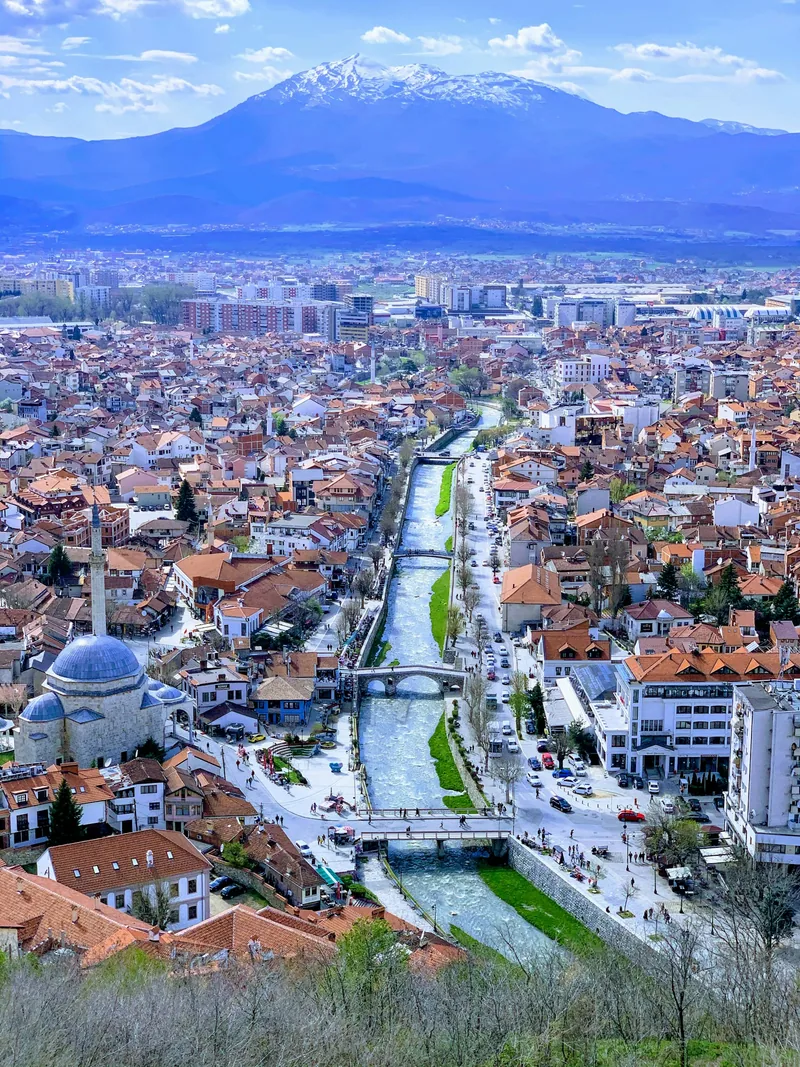
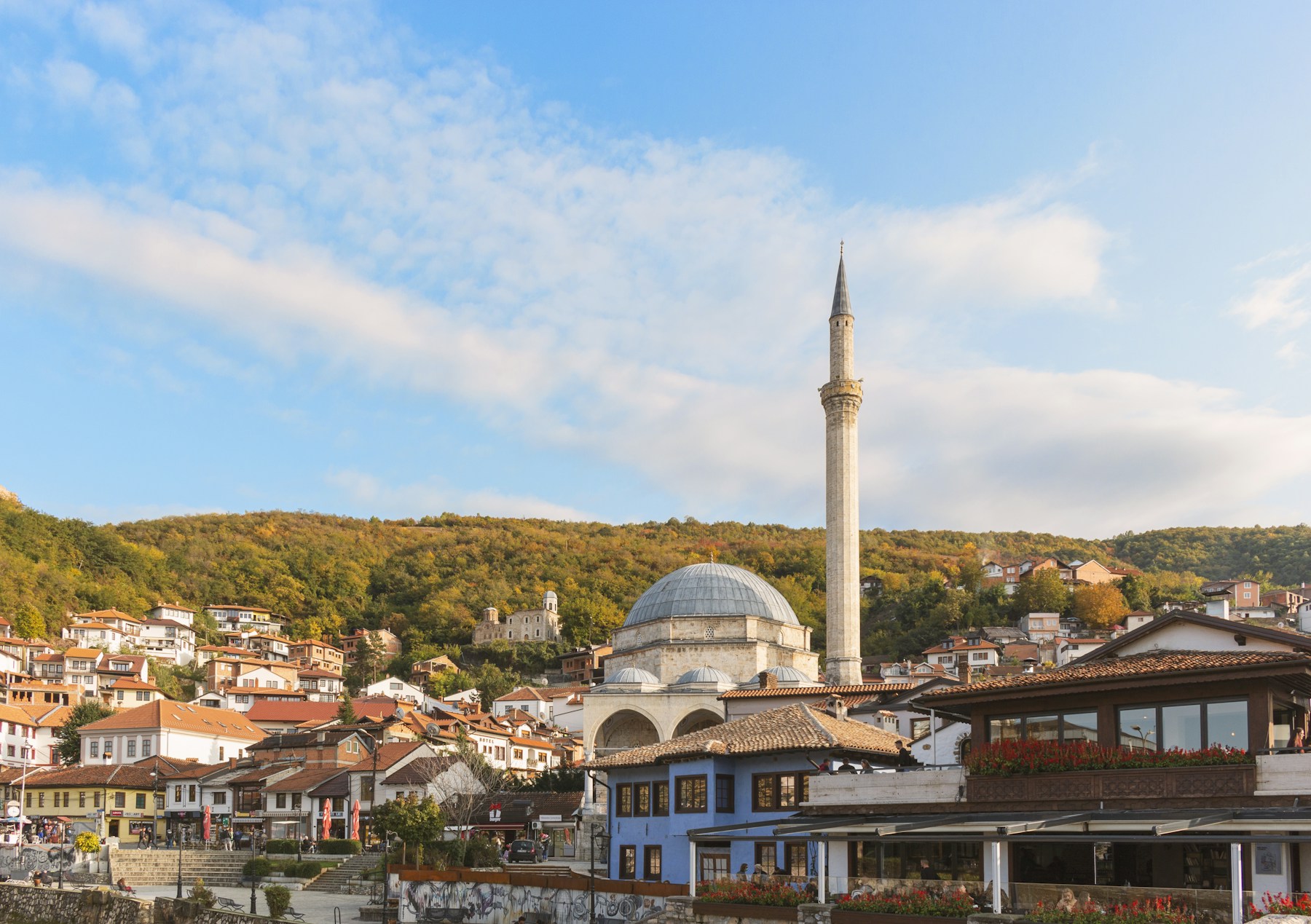
Prizren is one of Kosovo's most recognisable historic cities and a favourite starting point for many visitors.
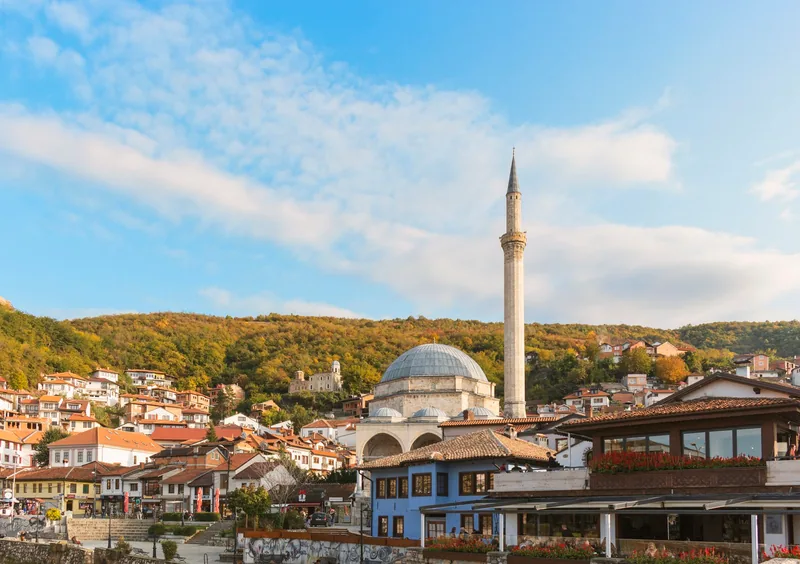
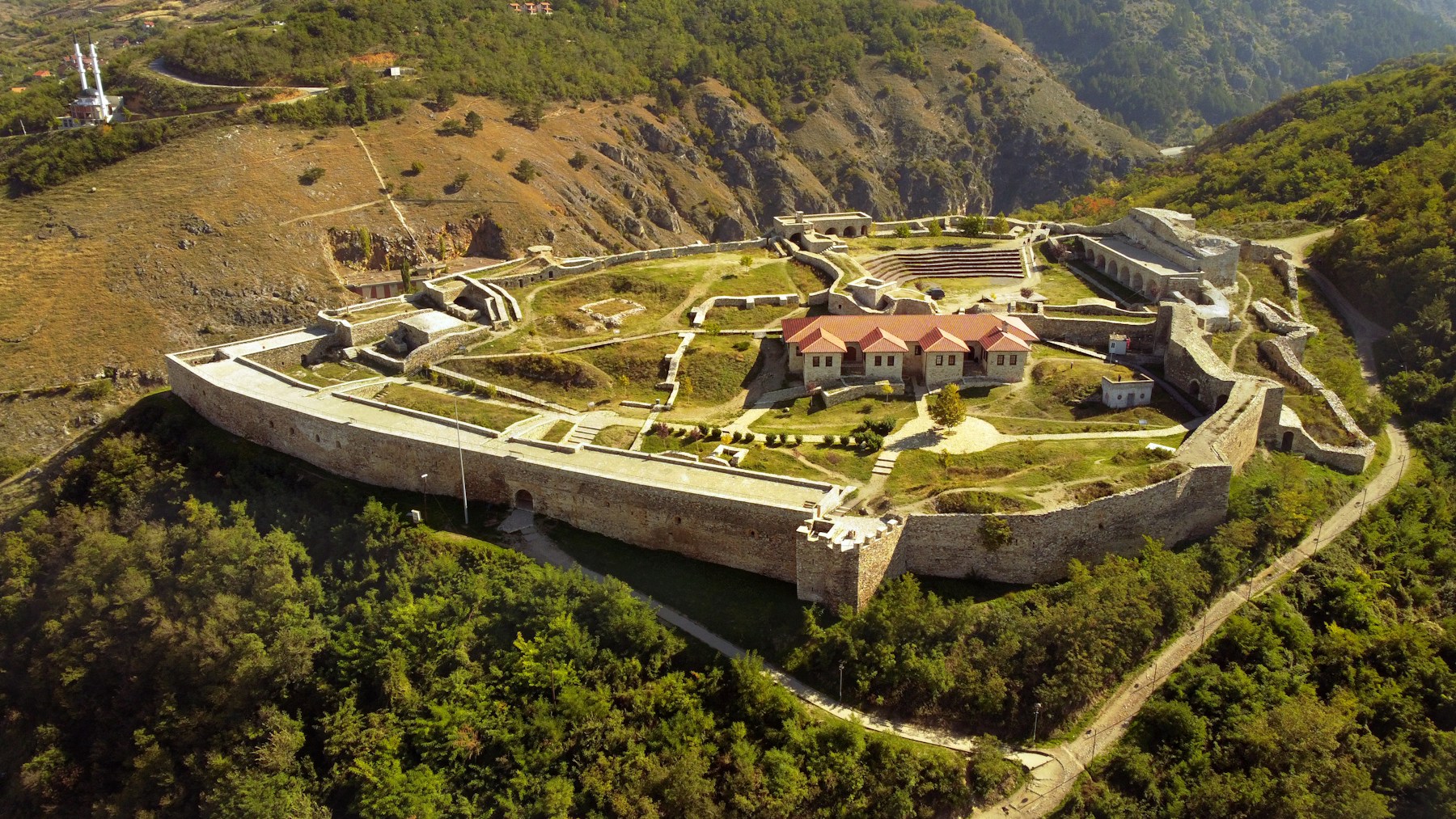
Its old town is compact and easy to explore on foot. The Stone Bridge, Sinan Pasha Mosque, Shadërvan and Prizren Fortress are among its main attractions.
But don't limit your visit to sightseeing. Walk along the river, explore the smaller streets, visit local craft shops and enjoy the atmosphere in the evening when the city becomes particularly lively.
A full day is enough to see many of its main attractions, but staying overnight gives you more time to experience the city at a relaxed pace.
Gjakova
Gjakova deserves more attention than it usually receives in international travel guides.
Its main attraction is Çarshia e Madhe, the Grand Bazaar, with traditional shopfronts, historic buildings, craft workshops and cafés.
It's a good destination for visitors interested in architecture, local culture and everyday life.
You can explore its main historic centre in half a day, although there's no reason not to spend longer if you enjoy discovering places at a slower pace.
Peja and the Rugova Valley
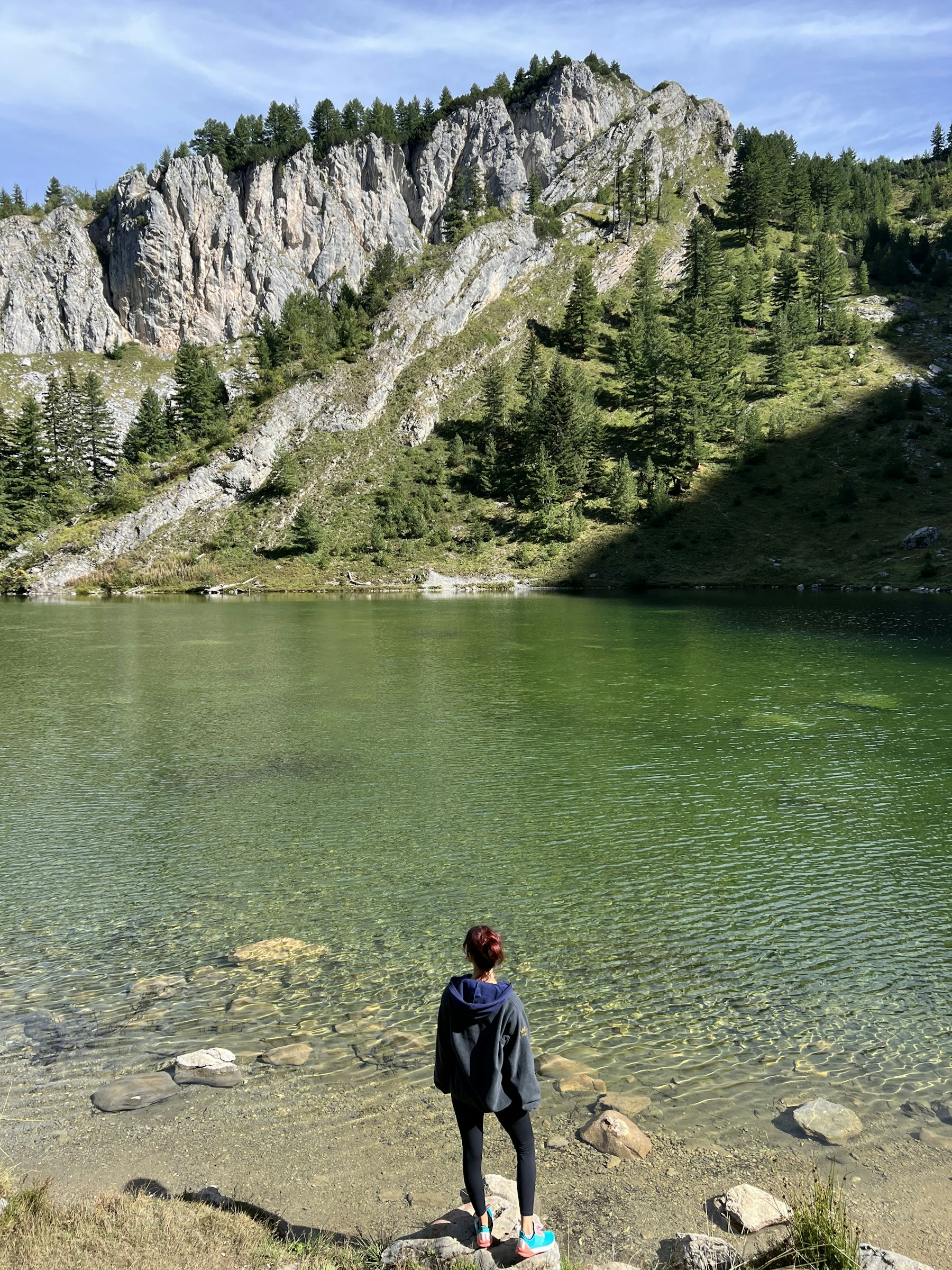
Peja is one of the best starting points for exploring Kosovo's mountain landscapes.
The city has a traditional bazaar, cafés, restaurants and access to the Rugova Valley, one of the country's most impressive natural regions.
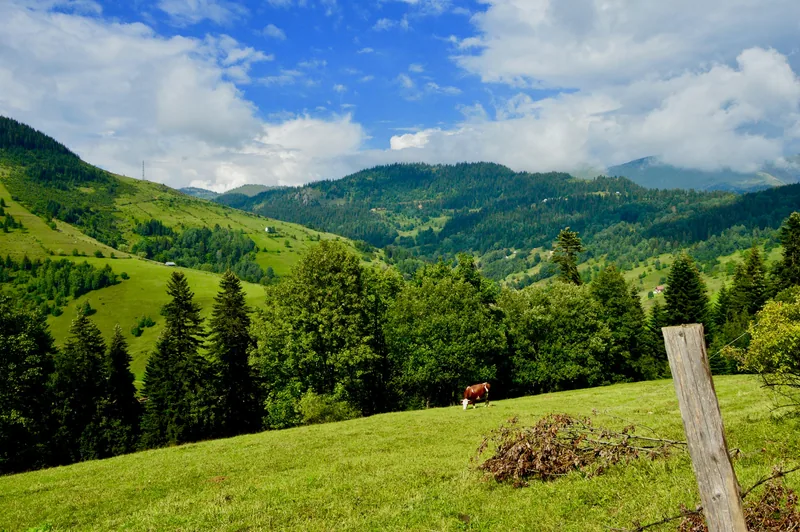
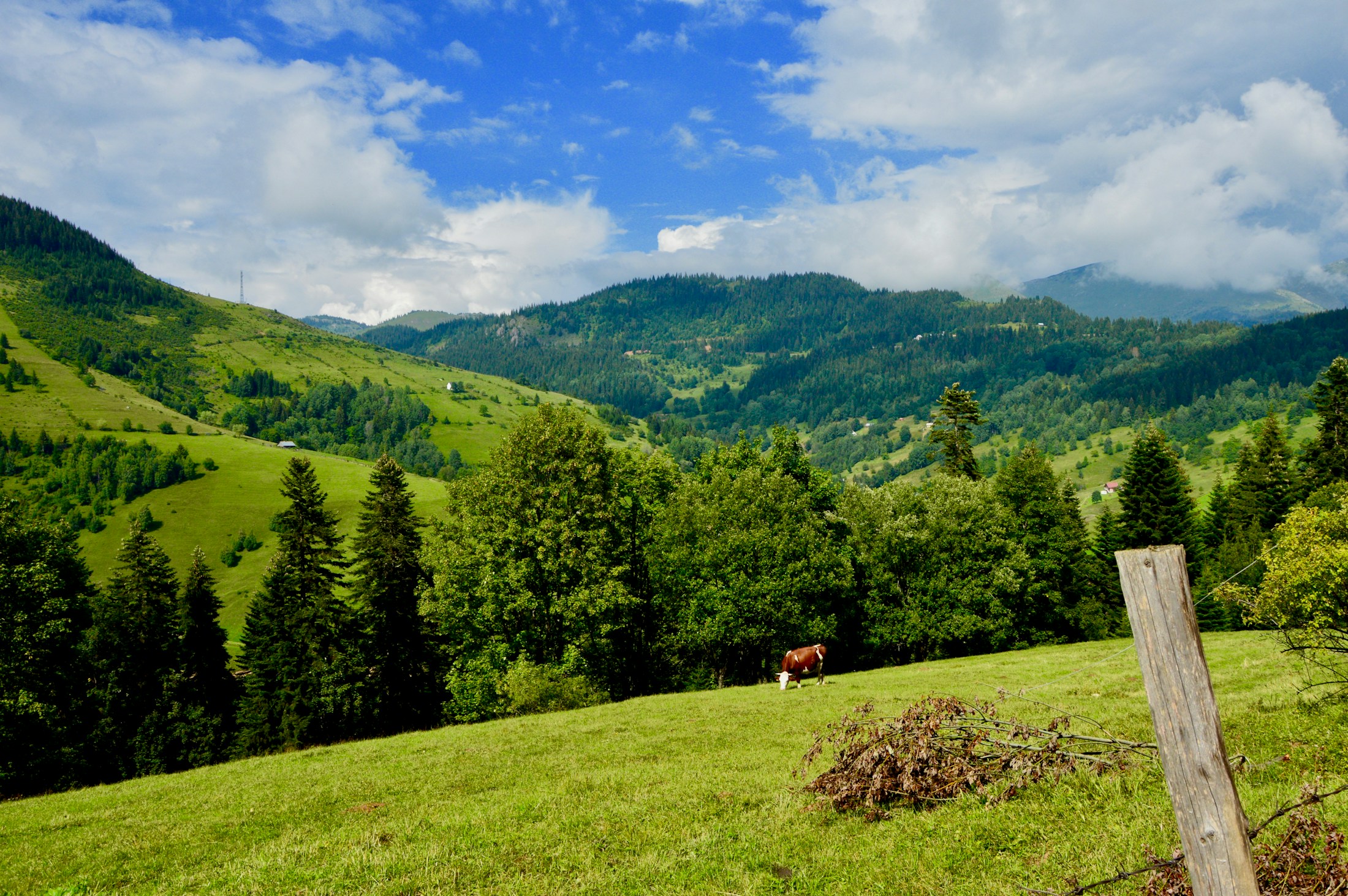
The surrounding mountains offer opportunities for hiking, photography, outdoor exploration and discovering traditional mountain villages.
If nature and outdoor experiences are important to you, consider spending more than just a few hours here.
Dragash
For a different experience of southern Kosovo, consider visiting Dragash and its surrounding villages.
The region offers mountain scenery, traditional rural communities and a quieter atmosphere than the country's main tourist destinations.
It's particularly interesting for visitors who enjoy exploring beyond the usual city routes and discovering a different side of everyday life in Kosovo.
Prevalla and Brezovica
Both destinations are located in the Sharr Mountain region and offer different ways to experience Kosovo's mountains.
Prevalla is a popular mountain escape, particularly for visitors looking for scenery, fresh air and time outdoors.
Brezovica is best known for its winter sports and mountain setting, while the surrounding region also offers opportunities for outdoor exploration during warmer months.
The best experience depends on the season and current mountain conditions.
Prekaz and Drenica
Prekaz is particularly important for understanding Kosovo's recent history and the events surrounding the 1998–1999 war.
The Memorial Complex of Adem Jashari is a significant historical site and an important place of remembrance.
I would recommend including Prekaz if you're interested in understanding this part of Kosovo's history. It's not necessarily a destination everyone needs to visit, but it can add important context to a trip.
Mitrovica
Mitrovica is a particularly interesting destination for visitors curious about Kosovo's different communities, contemporary history and political landscape.
The city is divided by the Ibar River into South and North Mitrovica, and the two areas have different social and political contexts.
South Mitrovica offers a different experience from the northern part of the city. If you're considering visiting North Mitrovica, check current travel advisories and local conditions before making plans. The security situation in northern Kosovo has improved in some respects but remains politically sensitive and can change.
For a general sightseeing trip, Mitrovica isn't an essential stop. For someone interested in understanding more about Kosovo, it can be a meaningful addition when conditions allow.
If you want a broader overview of destinations and how to combine them, see our guide to Best Places to Visit in Kosovo for First-Timers.
5. How Do You Get to Kosovo?
The easiest way to reach Kosovo depends on where you're travelling from and whether you're combining your visit with other Balkan countries.
By plane
Pristina International Airport Adem Jashari (PRN) is the main international airport.
It has connections with various European destinations, with routes and frequencies depending on the airline and season.
If you're flying, compare available routes and check whether a direct connection is available from your departure city.
From the airport, you can continue to Prishtina or other destinations using available public transport, taxis or pre-arranged transfers. Check current services and fares before travelling.
By bus
International buses connect Kosovo with several neighbouring countries and other European destinations.
Travelling by bus can be a practical option if you're already visiting Albania, North Macedonia, Montenegro or Serbia.
However, journey times, departure points and border procedures vary. Confirm the latest timetable and border arrangements before booking.
By car
If you're already travelling through the Balkans, reaching Kosovo by car can be convenient.
Road connections link Kosovo with neighbouring countries, making it possible to combine several destinations in one trip.
Before driving across a border, check that your vehicle insurance covers Kosovo. If it doesn't, confirm the current local insurance requirements and arrangements before travelling.
Also check the latest entry and exit requirements if your route involves Serbia. The border situation and documentation requirements can be more complicated than crossing between some other neighbouring countries.
6. How Do You Get Around Kosovo?
Getting around Kosovo is relatively straightforward, and you don't necessarily need a rental car.
The best option depends on where you want to go, how much time you have and whether your itinerary focuses on the main cities or more remote destinations.
By bus
Buses are one of the most practical ways to travel between Kosovo's main cities.
There are regular intercity connections between destinations such as Prishtina, Prizren, Peja and Gjakova.
They are generally an affordable option for independent travellers, although the journey can take longer than travelling by car.
The main limitation is reaching smaller villages, remote mountain areas and destinations that aren't directly connected to major bus routes.
Check departure times locally or with the relevant bus operator, particularly if you're planning a day trip or travelling outside the main routes.
By rental car
Having a car gives you considerably more flexibility.
You can stop along the way, explore smaller places, visit mountain areas and adjust your plans without depending on public transport schedules.
This becomes particularly useful if you want to explore Dragash, rural Drenica, the Sharr Mountains or smaller villages around Peja.
For visitors who want to see several regions in a limited amount of time, renting a car can make a considerable difference.
By private driver or local guide
Another option is arranging a driver or travelling with a local guide.
This can be particularly useful if you don't want to drive yourself or would rather have someone familiar with the region help organize the day.
A local driver can make reaching less accessible places easier, while a guide can also provide context and recommendations you might not discover independently.
On foot and by taxi
The historic centres of Prizren, Gjakova and other cities are generally easy to explore on foot.
For shorter journeys within cities, local taxis are also available. Agree on the fare or confirm the pricing arrangement before starting the journey.
If you plan to explore only Prishtina and Prizren, public transportation and walking are usually sufficient. If you want to discover more remote parts of the country, having a car or arranging local transport will make things considerably easier.
For more practical details, read our Getting Around Kosovo guide.
7. Where Should You Stay in Kosovo?
Where you stay depends on your itinerary and the experiences you're interested in.
For a first visit, I would generally recommend choosing two or three convenient bases rather than changing accommodation every night.
Prishtina
Prishtina is a practical starting point, especially if you're arriving by plane.
It offers a wide choice of accommodation, restaurants, cafés and cultural activities.
It's also a convenient base for exploring nearby destinations.
Prizren
Prizren is a particularly enjoyable place to stay if you want to experience a historic city with plenty of cafés, restaurants and things to explore on foot.
Staying close to the old town gives you easy access to its main attractions and evening atmosphere.
Peja
Peja is a good base for exploring the Rugova Valley and western Kosovo.
If nature and mountain experiences are a priority, staying here for a night or two can make your itinerary much more convenient.
Gjakova
Gjakova is another option for visitors who prefer a quieter atmosphere and traditional surroundings.
Staying near the Grand Bazaar gives you an opportunity to experience the historic centre after day visitors have left.
Mountain accommodation
If you're planning to spend time in the mountains, consider staying in a local guesthouse or mountain accommodation rather than travelling back to a city every evening.
This can be particularly rewarding around Rugova, Prevalla and other mountain areas.
Wherever you decide to stay, consider the distance to your planned activities, available transport and whether you'll need a car.
8. How Much Does a Trip to Kosovo Cost?
Kosovo uses the euro and can be an affordable destination compared with many European countries.
However, your overall budget depends on your travel style, accommodation choices, transportation and activities.
A backpacker travelling by bus and staying in hostels will have different expenses from a family staying in private accommodation, renting a car and exploring several regions.
Some things to consider when preparing your budget:
- Accommodation: Hostels, apartments, boutique hotels and family-run guesthouses offer different price levels.
- Food: Local bakeries, traditional restaurants and cafés provide a range of affordable dining options.
- Transportation: Intercity buses are generally economical, while rental cars and private transfers provide more flexibility at a higher cost.
- Activities: Some attractions have entrance fees, while many historic centres, public spaces and outdoor areas can be explored without an admission charge.
- Events: Concerts, festivals and organized activities may require separate tickets or advance reservations.
I recommend checking accommodation and transport prices for your actual travel dates rather than relying too heavily on general online estimates.
For a more detailed breakdown, including typical expenses and sample budgets, read our Kosovo Travel Costs guide.
9. What Should You Eat in Kosovo?
Food is an important part of experiencing Kosovo, and I would encourage you to try more than just the dishes you already know.
Kosovo's food culture reflects a combination of Balkan, Ottoman and Mediterranean influences, with traditional recipes that are closely connected to family life and local customs.
Here are some dishes worth looking out for:
- Flija: One of Kosovo's best-known traditional dishes, made from thin layers of batter and cream, slowly cooked under a metal lid.
- Pite and Byrek: Traditional baked pastries filled with ingredients such as cheese, spinach, pumpkin or minced meat.
- Qebapa: Small grilled minced-meat portions, usually served with fresh bread, onions and accompaniments.
- Tavë: A variety of traditional oven-baked dishes, often prepared with meat, vegetables or dairy products.
- Speca me mazë: Peppers prepared with traditional cream, a popular local dish.
- Sharri cheese: A traditional cheese associated with the mountain regions of Kosovo.
And then there's the coffee culture.
A macchiato is more than just a quick coffee here. Sitting down for one, meeting someone and spending time talking is an important part of everyday social life.
Don't be surprised if a short coffee break turns into a much longer conversation.
10. What Should You Pack for Kosovo?
What you pack depends on the season and the kind of activities you have planned.
For a city-focused trip, comfortable everyday clothing and walking shoes will be enough for most situations.
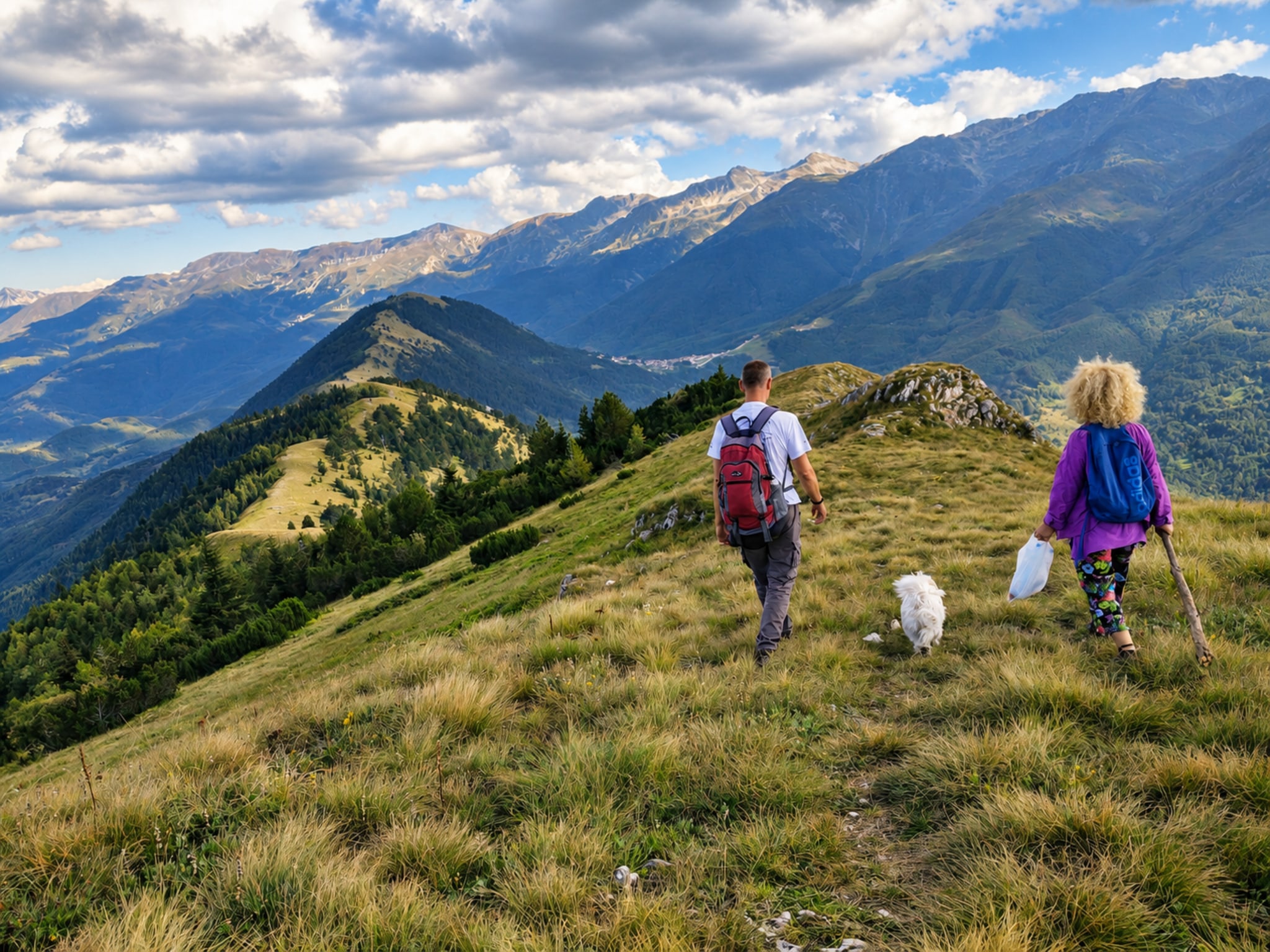
If you're planning to explore the mountains, you'll need to prepare for different conditions.
Here are a few useful things to consider:
- Comfortable walking shoes: Historic centres often have cobbled streets and uneven surfaces.
- Layers: Mountain temperatures can be considerably different from those in the cities.
- Rain jacket: Particularly useful during spring and autumn.
- Outdoor clothing: If hiking or spending time in mountain areas, bring suitable clothing for the conditions.
- Respectful clothing: When visiting religious sites, check their visitor guidelines and dress appropriately.
- Power adapter: Kosovo uses European-style Type C and F sockets.
- Travel insurance: Make sure your policy covers the activities you intend to undertake, particularly outdoor activities.
If you're visiting during winter, pack accordingly and check mountain weather and road conditions before travelling.
11. Do You Need a Visa to Visit Kosovo?
Entry requirements depend on your nationality and travel documents.
Some visitors can enter Kosovo without a visa for short tourist stays, while others need to arrange a visa in advance.
Under Kosovo's current entry framework, short stays are generally limited to 90 days within a 180-day period, with visa-free entry applying only to eligible nationalities.
Before travelling, check the requirements for your specific passport through official Kosovo government information or the nearest Kosovo diplomatic mission.
There is also an important administrative requirement that visitors should know about.
Foreign nationals must register their accommodation address within three days of entering Kosovo. Kosovo's Ministry of Internal Affairs published updated guidance in January 2026, with full implementation beginning on 15 March 2026.
Check with your accommodation provider and the relevant authorities about how to complete this requirement. Don't assume that your booking confirmation automatically fulfils it.
If your trip includes both Kosovo and Serbia, pay particular attention to the order in which you cross the borders. Entry and exit procedures can create complications depending on your route and travel documents.
For official information, consult:
- Kosovo Ministry of Internal Affairs – Information for Foreign Citizens
- UK Government – Kosovo Entry Requirements
Always verify the latest requirements before departure, as immigration and border procedures can change.
12. Is Kosovo Safe to Visit?
Kosovo is a destination where many independent visitors comfortably explore cities, travel between regions and interact with locals.
As with any destination, it's worth being aware of your surroundings, taking normal travel precautions and checking current information before travelling.
For most visitors, the main practical considerations are less about everyday sightseeing and more about understanding the specific conditions of the places they plan to visit.
A few things to keep in mind:
- Keep an eye on personal belongings in busy public areas and transport stations.
- Use established taxi services and confirm fares before travelling.
- If you're visiting mountain areas, check weather and road conditions and plan according to your experience.
- Follow local guidance and avoid demonstrations or large gatherings.
- Check current travel advisories if your itinerary includes northern Kosovo, particularly North Mitrovica.
The situation in northern Kosovo is different from that in most other parts of the country. Conditions have improved in some respects, but political tensions and occasional security incidents remain possible.
This doesn't mean every visit to the north is necessarily problematic, but I wouldn't give visitors a blanket assurance that conditions are always safe. Check the latest official advice and local information before deciding whether to include North Mitrovica in your plans.
For current regional information, consult the UK Government's Kosovo Travel Advice.
You can also read our Is Kosovo Safe to Visit? guide for a more detailed overview.
13. How to Plan Your Kosovo Itinerary
Now that you have an idea of what Kosovo offers, the next step is putting together an itinerary that makes sense for your trip.
My first recommendation is not to start by selecting destinations.
Start by asking yourself a few questions:
- Why do you want to visit Kosovo?
- Are you more interested in culture, history, food, nature or outdoor activities?
- Are you travelling alone, with family, friends or colleagues?
- How much time do you have?
- What's your approximate budget?
- Do you prefer independent travel or having someone help organize things?
These answers should determine where you go and how much time you spend in each place.
A family looking for relaxed activities will have different priorities from a group of friends interested in outdoor adventures. Someone interested in history might want to visit places that another traveller would happily skip.
There isn't one perfect Kosovo itinerary.
A few ideas for organizing your time
- If you have 3 days: Concentrate on Prishtina and Prizren. You can see the main attractions of both cities and get a good introduction to Kosovo.
- If you have 5 days: Consider adding Gjakova or Peja and the Rugova Valley. This gives you more variety without making the trip too demanding.
- If you have 7 days: You have more flexibility to explore several regions, spend time in the mountains and include smaller destinations.
- If you have 10–14 days: You can explore Kosovo at a more relaxed pace, attend events, discover rural areas and leave room for spontaneous experiences.
These are starting points, not fixed itineraries. Your actual route should depend on your interests, budget and available transport.
Don't overlook local events
One thing that doesn't always appear in standard Kosovo travel guides is the variety of events taking place throughout the year.
Depending on your travel dates, you might find film festivals, concerts, cultural celebrations, exhibitions, sporting events or local gatherings.
Sometimes these events can become the reason to spend an extra day in a particular city.
Before finalizing your itinerary, check what's happening during your visit. You might discover something worth adjusting your plans for.
Leave some room for the unexpected
This is probably my most important recommendation.
Don't schedule every hour of your trip.
Some of the best experiences visitors have in Kosovo aren't planned weeks in advance. Someone recommends a village, a local invites you to an event, you discover a place worth exploring or you simply enjoy a city enough to stay another evening.
You can't put all of that into a day-by-day itinerary, and that's exactly why leaving some flexibility is worthwhile.
14. Should You Combine Kosovo with Other Balkan Countries?
Absolutely. Kosovo's location makes it relatively easy to combine with neighbouring Balkan destinations.
Depending on your available time and transportation, you could include:
- Albania: Combine Kosovo with Tirana, the Albanian Alps or other destinations in northern Albania.
- North Macedonia: Visit Skopje and continue towards Lake Ohrid.
- Montenegro: Explore northern Montenegro and its mountain landscapes.
- Serbia: Include Serbian destinations in a wider Balkan itinerary, but carefully check current border procedures and travel-document requirements before deciding on your route.
If you're renting a car, make sure your rental agreement permits cross-border travel and that the required insurance is valid in every country you plan to visit.
Also consider whether adding another country actually improves your trip. If you have limited time, exploring more of Kosovo might be more rewarding than spending additional hours travelling between borders.
Final Thoughts: Is Kosovo Worth Visiting?
I think Kosovo is a destination that deserves more time and curiosity than many first-time visitors initially plan for.
You can arrive, visit Prishtina and Prizren, see some of the main attractions and leave with a good impression of the country in just a few days.
But that's only one way to experience Kosovo.
The country offers far more than its most recognizable destinations. There are mountain landscapes, traditional towns, cultural events, sporting activities, rural communities and countless opportunities to experience everyday local life.
And then there's the hospitality.
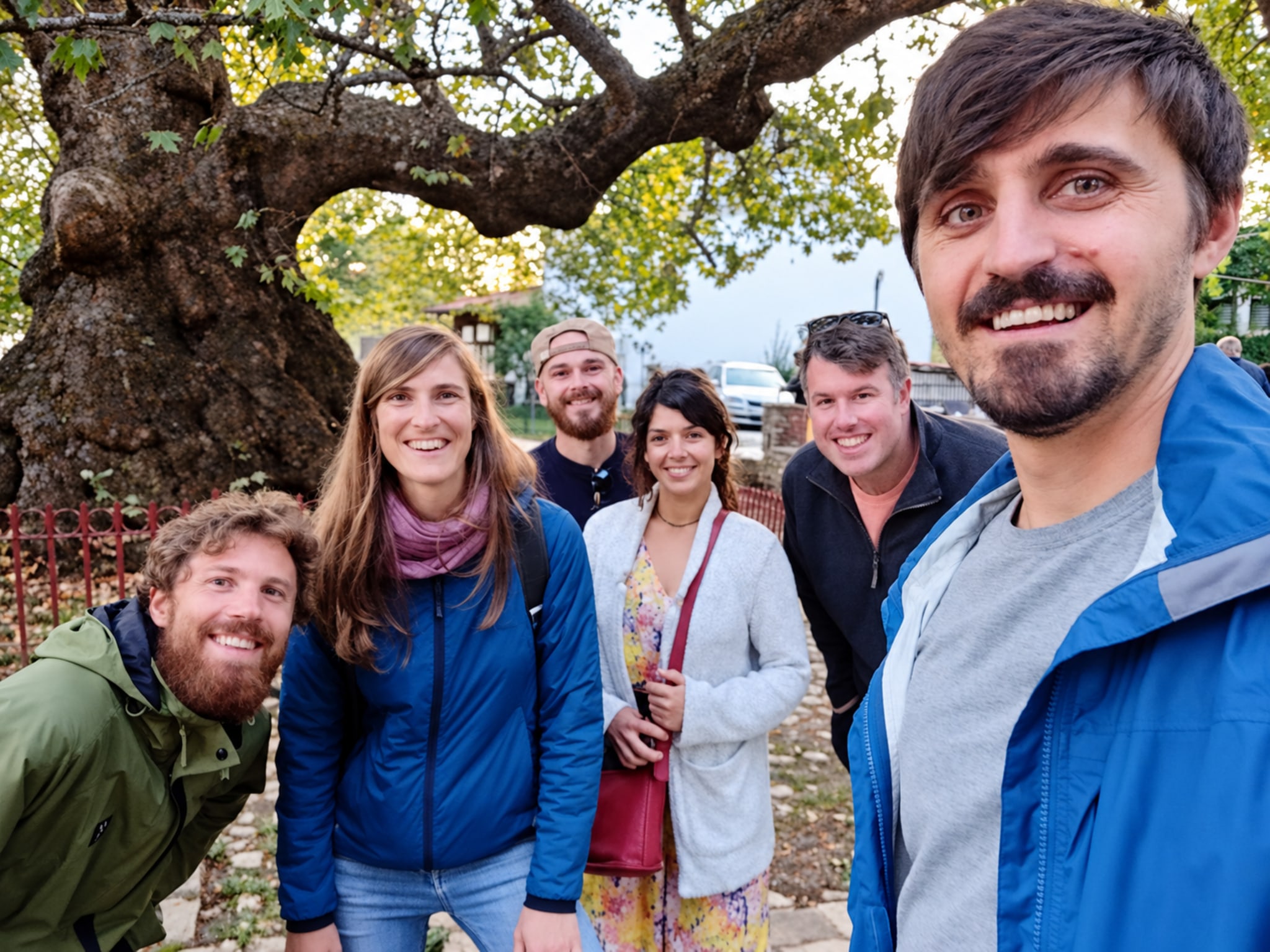
One thing I've noticed over the years is how quickly visitors can become familiar faces. A conversation over coffee leads to a recommendation, a recommendation leads to a new place, and sometimes someone you met only yesterday invites you to join them somewhere interesting.
If you stay for a week or two, you might start to feel less like someone passing through and more like someone who is gradually becoming part of the place.
That's not something you can promise in an itinerary, and it won't happen in exactly the same way for everyone. But it's one of the things that makes spending more time in Kosovo worthwhile.
You don't need to see everything. You don't need a complicated itinerary, and you certainly don't need to follow someone else's idea of the perfect trip.
Come with an open mind, plan around what interests you, talk to people and leave some room for things you didn't know existed before arriving.
And if you need a little local perspective while planning, that's what I'm here for.
Hope you enjoy Kosovo.
Need help planning your trip in Kosovo? 🇽🇰
I offer custom itineraries designed around your travel style, starting with a 1:1 call where we’ll go over the places you want to visit, your interests, and any questions you have. Then, I’ll create a detailed itinerary just for you!
If you just need quick advice, you can also book a call on its own for itinerary feedback and travel tips from a local.